Converting Existing Buildings: A Strategic Approach to Self-Storage Development
Discover how to convert existing buildings into profitable self-storage facilities.
A sales team member is awaiting your call.
A sales team member is awaiting your call.
Across the country, commercial vacancy rates continue to reshape how owners think about real estate. The surge in remote and hybrid work has left thousands of square feet of prime office space unoccupied, while retail footprints continue to shrink under shifting consumer habits. Self-storage conversions give these properties a second life.
Repurposing an existing building offers measurable advantages over starting from scratch. The core structure is already in place, utilities are often operational, and the property’s location is typically proven. For investors, that means a shorter construction window, reduced financing risk, and a faster path to occupancy.
Mini Storage Outlet brings decades of technical expertise to retrofit or enhance existing shells with storage-specific elements, such as partition systems, roll-up doors, access corridors, lighting, and HVAC.

FASTER
Faster completion than new construction.
SAVINGS
Cost savings per square foot.
APPROVAL
Higher loan approval rates.
INCREASE
Increase in drive-by traffic
Every month saved in construction is a month closer to positive cash flow. Conversion projects routinely require less upfront investment, sometimes cutting cost per square foot nearly in half compared to new builds. With utilities, foundations, and parking already established, the project timeline compresses substantially.
Financial institutions often view these projects favorably because they carry less construction risk and feature faster turnaround compared to ground-up builds. You gain a lower initial investment, quicker occupancy, and a more efficient path to positive cash flow.
Conversion projects typically require less initial investment while offering quicker returns. The existing infrastructure reduces development time, allowing operators to begin generating revenue months ahead of new construction timelines.
The success of a self-storage conversion depends on careful evaluation. Mini Storage Outlet works with engineers, architects, and developers to identify viable candidates and plan around key performance factors such as load capacity, layout efficiency, and code compliance.


These assessments guide the design phase, allowing every square foot to contribute to return on investment.
Before construction begins, zoning and permitting play decisive roles. Self-storage use can fall into different classifications depending on jurisdiction. Mini Storage Outlet assists clients in reviewing local ordinances, identifying use-by-right areas, and preparing documentation to streamline approval.
Municipalities that recognize storage as a community service typically approve projects more efficiently, while others may classify them as industrial. Anticipating these conditions early prevents delays and helps secure financing with accurate timelines.
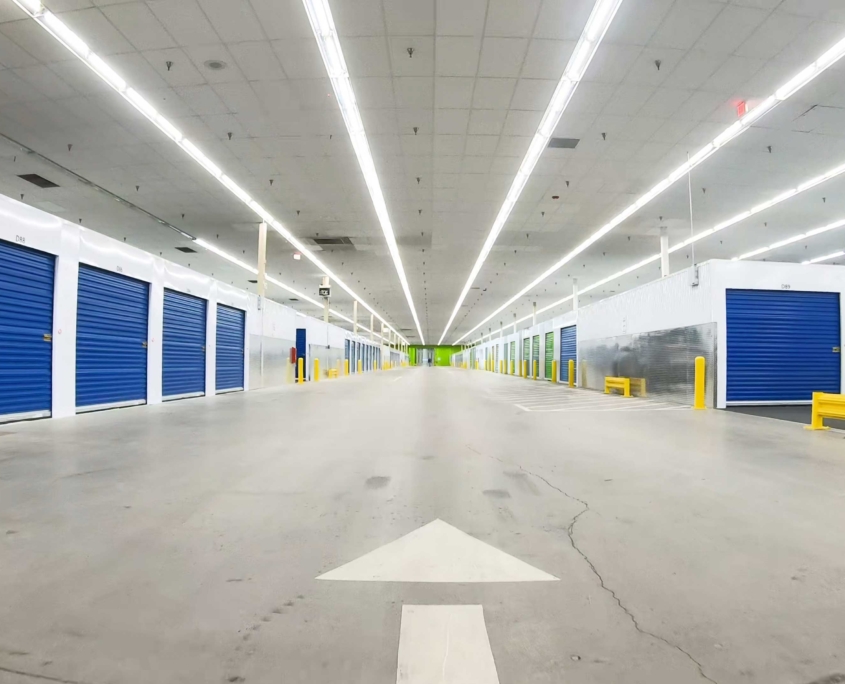
Not every structure can be treated the same, but several categories consistently yield strong results.

Their loading areas and HVAC infrastructure make them excellent candidates, and conversions of this type have risen 25% in the past decade.
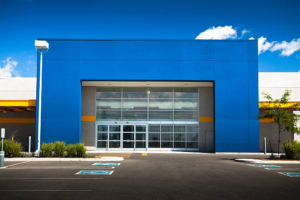
Expansive open floor plans simplify unit configuration and maximize rentable square footage, often in high-visibility corridors.
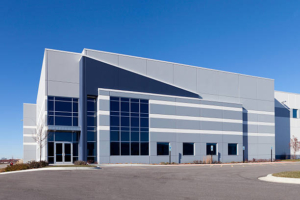
Minimal modification is required, and the high ceilings easily accommodate multi-level storage or climate-controlled layouts.
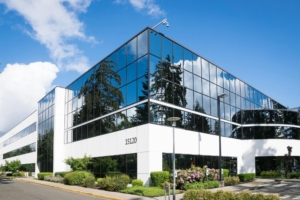
Urban and suburban locations benefit from proximity to population centers. While these conversions may need more structural reinforcement, the payoff in accessibility is significant.
Self-storage conversions are a strategic move that positions property owners to capitalize on shifting market dynamics.


Conversions require technical know-how. Older structures may conceal hidden issues such as compromised decking, insufficient roof loads, or outdated sprinkler systems. Zoning transitions can introduce compliance hurdles, and irregular layouts may demand inventive partition planning.
Mini Storage Outlet’s long tenure in steel building design equips our team to foresee these challenges and engineer cost-effective solutions before construction begins. By modeling load paths, airflow, and layout optimization, we help owners protect budgets and accelerate project completion.
Every profitable conversion begins with expertise. Our network includes structural engineers, architects fluent in self-storage layout, and contractors with proven experience in adaptive reuse. Together, they form a comprehensive team that aligns technical accuracy with operational efficiency.
Our Approach Includes:
Whether you’re evaluating an office-to-self-storage conversion or repurposing a retail property, Mini Storage Outlet brings the technical depth and practical insight required to turn square footage into sustained revenue.
Our experts can assess feasibility, model project cost, and create an optimized layout that meets operational and investor goals. Contact Mini Storage Outlet to discuss your conversion project and discover how efficient reuse can outperform new construction in cost, speed, and long-term return.
Is an office-to-self-storage conversion a good investment?
Yes. Office buildings often occupy prime urban or suburban locations with strong visibility and accessibility. Although some reinforcement may be required, the return potential is high due to strong rental demand and minimal new land development costs.
What types of buildings are best suited for self-storage conversions?
Grocery stores, big-box retail spaces, warehouses, and office buildings make excellent candidates. These properties often feature large open interiors, loading docks, and accessible locations that simplify conversion and attract consistent tenant traffic.
How long does a self-storage conversion take to complete?
Timeline varies by building condition and scope, but many projects can be completed in half the time required for new construction. With proper planning, owners can often transition from concept to opening in as little as six to nine months.